How to Visit Oak Alley Plantation: Hours, Prices and Getting There
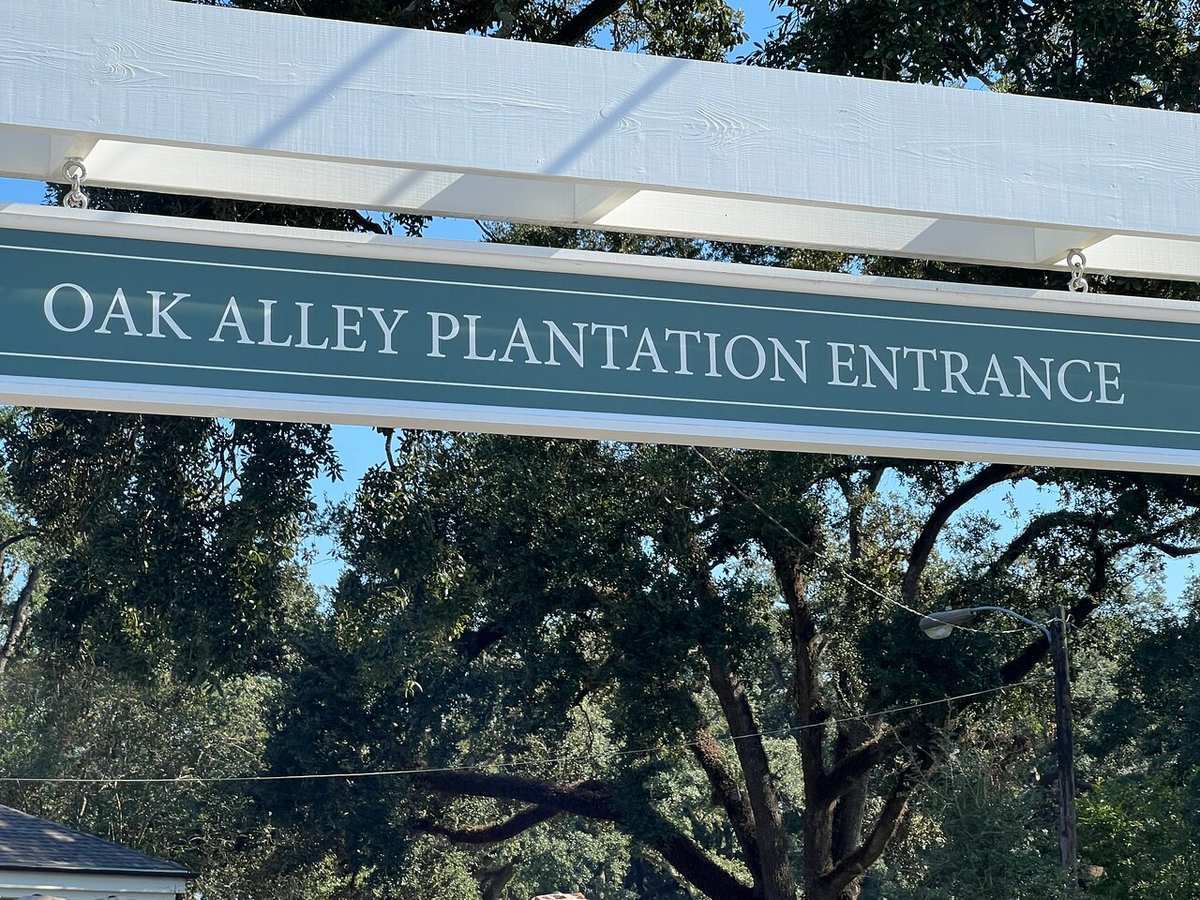
Oak Alley sits sixty miles up the Great River Road from New Orleans, opens at 8:30 in the morning, and stops selling tickets at four in the afternoon. Everything else about planning a visit follows from those three facts.
- Gate tickets from $30 with the Big House exhibit, $27 without.
- Open 8:30 a.m. daily — but ticket sales stop at 4 p.m. and the last house tour leaves at 4:30 p.m.
- Sixty miles from New Orleans, about seventy-five minutes, with no bus and no train.
- Allow two hours minimum; three if you want the exhibits as well as the house.
- Guided trips from $75 already include the admission and the drive both ways.
Where it is, and why that decides everything
Oak Alley Plantation is at Vacherie, in St. James Parish, on the west bank of the Mississippi. From the French Quarter that is about sixty miles and roughly seventy-five minutes by coach. There is no bus. There is no train. The Foundation itself says rideshare is not reliably available for the journey back.
That single paragraph is why most visitors arrive on an organised trip rather than under their own steam. It is not that driving is hard; it is that the return leg has no fallback. Full detail on all four ways of covering the distance is on the transport page.
If you are driving and arriving after about two o’clock, buy your ticket online before you leave New Orleans. The 4 p.m. sales cut-off is 45 minutes before the gates shut, and it is the single most common way people lose the house tour.
The two tickets
You buy one of two things at the gate. The dearer one, from $30, includes the guided tour of the Big House. The cheaper one, from $27, does not. Both include everything else: the alley, the reconstructed quarters, the Slavery at Oak Alley exhibit, the Sugarcane Theatre, the forge and both burial sites.
Three dollars is not much of a decision. Take the house ticket unless stairs are a problem or you have been before. The Foundation publishes discounts for seniors over 65, military and AAA members, and publishes nothing at all for children — so do not plan a family budget on a number you found on a third-party page.
The three times that matter
Opening is 8:30 a.m. and closing is 4:45 p.m., and neither is the constraint. Ticket sales stop at 4 p.m. The last guided house tour leaves at 4:30 p.m. Arrive at ten past four and you can walk the grounds, but you cannot buy your way in.
Four days a year the site closes entirely: New Year’s Day, Mardi Gras, Thanksgiving and Christmas Day. Every other day of the year it opens.
How long you actually need
The Foundation suggests two hours. Most guided trips allow exactly that, and two hours covers the house tour, the alley and one exhibit. It does not cover the house and all five exhibits, because the Slavery at Oak Alley exhibit alone is billed at an hour.
If the exhibits are the reason you are going, look for the trips that allow three hours rather than two. There are two of them, both capped at twelve travellers, and both are sorted to the top when you rank by time on the grounds.
Tour or drive yourself?
Here is the arithmetic. The gate ticket is $30. The cheapest guided trip is $75 and already contains it, plus the drive both ways and a guide for the River Road. You are paying about $45 for return transport on a route with no public alternative.
Driving wins on two counts only: you choose your arrival time, and you can stay past when a coach would leave. It loses on cost more often than people expect once a rental day and fuel are counted. The self-drive costing works it through line by line.
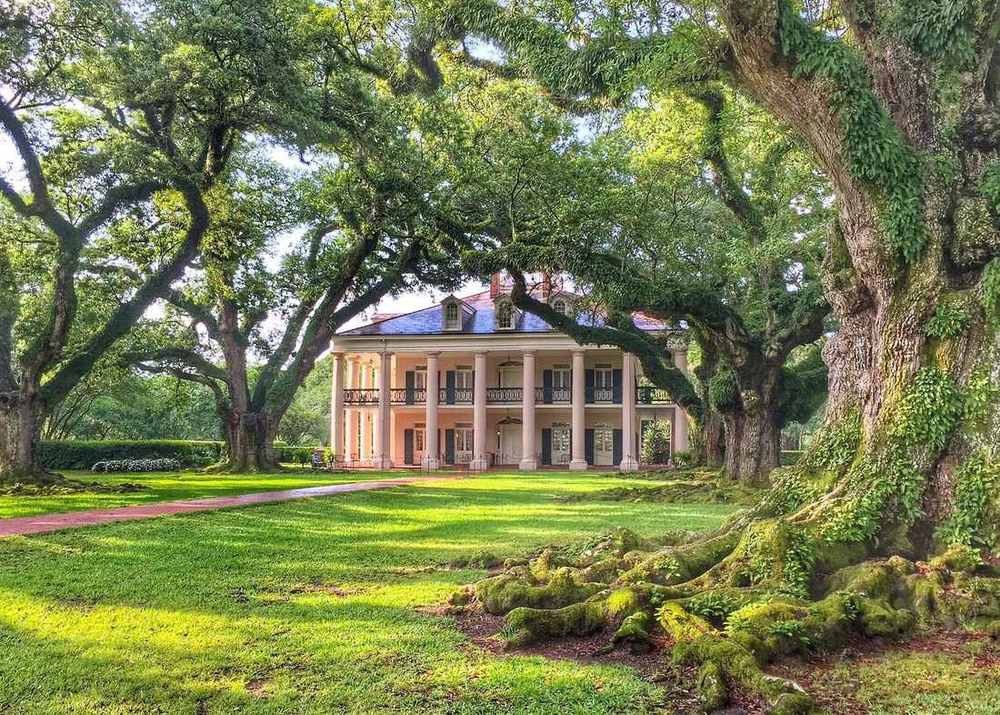
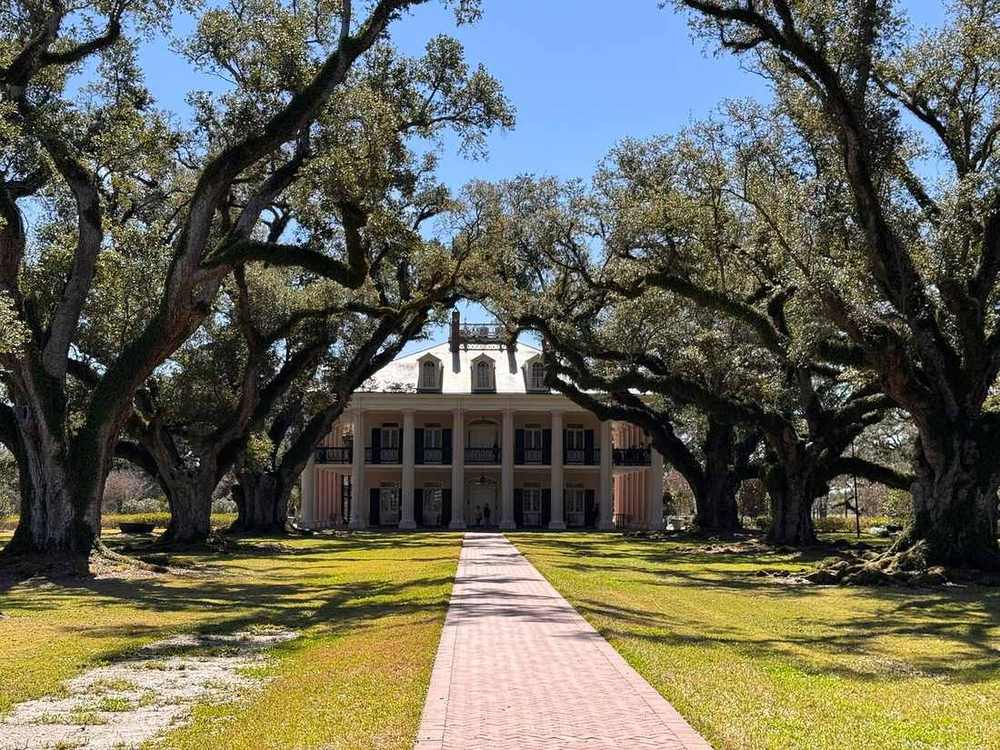
The twenty-eight oaks pre-date the house by about a century, and the twenty-eight columns wrapped around the Big House were built to match them.
What to expect on the site
You walk in under the oaks. The guided house tour runs about thirty-five minutes with a guide in period dress, covering two floors by staircase. Photography is not permitted inside; it is permitted on the upper balcony, which is where the long view straight down the alley is taken.
Everything else is self-guided and flat. The restaurant and the gift shop are about a block from the house along a shaded path with benches. Nothing on any guided trip includes a meal.
What to bring
Walking shoes, water, and something for both sun and rain. The lawn in front of the house has no shade at all, and between June and September the middle of the day is hard work on it. The month-by-month conditions set out which weeks that covers.
The four kinds of trip, compared
Every departure from New Orleans falls into one of four shapes, and choosing the shape first makes the rest of the decision easy.
| Shape | Door to door | At the plantation | Price band | Best for |
|---|---|---|---|---|
| Half-day, Oak Alley only | 4–5h 30 | 2–3 hours | $75–$89 | A first visit, or an afternoon still free |
| Plantation and a boat | 7–8h 30 | 2–2h 15 | $125–$185 | Wildlife as well as history |
| Two plantations | 4–8h | 1h 30–2h | $79–$585 | Contrast between two houses |
| Drive yourself | As long as you like | Unlimited to 4:45 p.m. | $30 ticket plus the car | Photographers and repeat visitors |
Bands are the range across all the departures in each shape. Times on the grounds are what the operators publish.
Each shape has its own page: the half-days, the swamp and airboat combinations and the two-plantation pairings. Ranked by hours on the grounds rather than by price, the order changes completely, which is the single most useful thing to know before you book.
Booking, and how far ahead
The plantation itself rarely sells out; the trips do. One operator reports an average booking made 23 days in advance. Almost all of them refund in full up to 24 hours before departure, which makes booking early close to free of risk — but two do not, and one of those refunds nothing at all.
Check the refund line on the card before you commit, especially between June and November when a storm can take the boat half of a combination trip out. The weather page sets out which months that covers.
Where to go next
If you know you want the plantation and nothing else, the half-day tours are the shortlist. If you want the wetlands as well, start with the swamp and airboat combinations and pay attention to which craft each one uses. If the history of slavery is the reason you are travelling, read the comparison with Whitney and Laura before you book anything.
Every departure from New Orleans is compared on Oak Alley Plantation Tours, with the price, the rating, the hours on the grounds and the refund window side by side.
Tours that fit this trip
Three trips that include the drive, the admission and a fixed slot on the house tour.