
Timing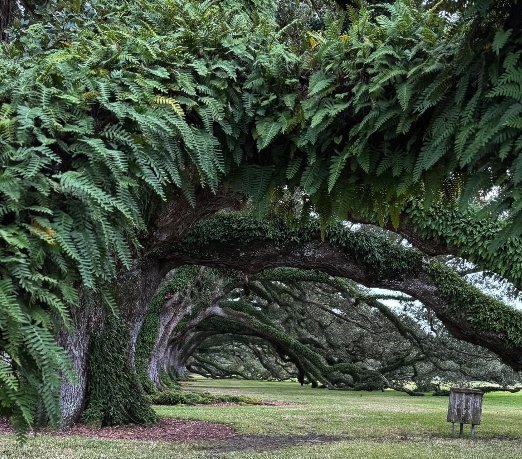
The Best Time to Visit Oak Alley Plantation: Month, Day and Hour
The oaks look the same in February and August. What changes is the heat on an unshaded lawn, the storm risk against your cancellation window, and how far ahead the good departures fill.
In this guide
- When does Oak Alley actually look its best?
- The four days it is closed
- Which months are busiest, and what that does to your two hours?
- What is 91°F on an unshaded lawn actually like?
- Hurricane season, and what a cancelled day costs you
- Winter, the bonfire season and the low light
- The year in one table
- What time of day gives you the alley to yourself?
- How far ahead do these tours sell out?
- Is a weekday really quieter?
- Where the light comes from, month by month
- Matching a month to a kind of trip
- The sugarcane year, and why the fields change
When does Oak Alley actually look its best?
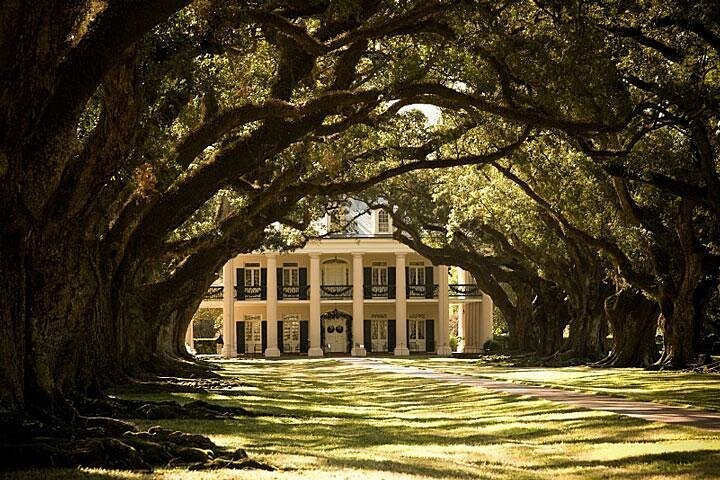
Southern live oaks are evergreen, so the avenue does not have a season. There is no autumn colour and nothing bare in January. Anyone waiting for the trees to be at their best is waiting for something that does not happen.
What has a season is the light. Low winter sun runs straight down the length of the alley in late afternoon, which is the best frame of the year, and November is when it lines up with a departure time you can actually book.
The other thing with a season is you. Standing under those trees is a different experience at sixty-three degrees in January and at ninety-one in July, and the exhibits that make the site worth three hours rather than one are almost all outdoors. So the honest way to choose a month here is not to ask when the plantation looks best, because it looks much the same. It is to ask how long you want to spend outside, and then pick a month that will let you.
The four days it is closed
New Year’s Day, Mardi Gras, Thanksgiving and Christmas Day. Mardi Gras is the one that moves, falling in February or early March, and it is also the week New Orleans is fullest — so the plantation is shut on the day the city is busiest.
Every other day of the year it opens at 8:30 a.m.. There is no seasonal closure and no reduced winter timetable.
Which months are busiest, and what that does to your two hours?
Spring and autumn. March through May and October through November are when the River Road coaches run fullest, and the effect is felt in two places: the queue for a house tour slot, and the number of people in your photograph of the alley.
Neither is severe. The site is large and most of it is outdoors. But if you have two hours and forty minutes of it goes on waiting for a tour slot, the exhibits are what get cut. An early departure solves it in any month.
What is 91°F on an unshaded lawn actually like?
Hard work, and it is the single biggest seasonal factor here. July and August average highs of about ninety-one with overnight lows in the high seventies, so there is no cool part of the day after about ten in the morning.
The alley is shaded. The lawn in front of the house is not, and neither is the walk between the exhibits. The interior of the Big House is the only air-conditioned space on the site, which quietly makes the dearer gate ticket worth more in August than in March.
Hurricane season, and what a cancelled day costs you
The Atlantic season runs 1 June to 30 November, and September is the most active month. That is half the year, so the question is how to book around it rather than whether to come.
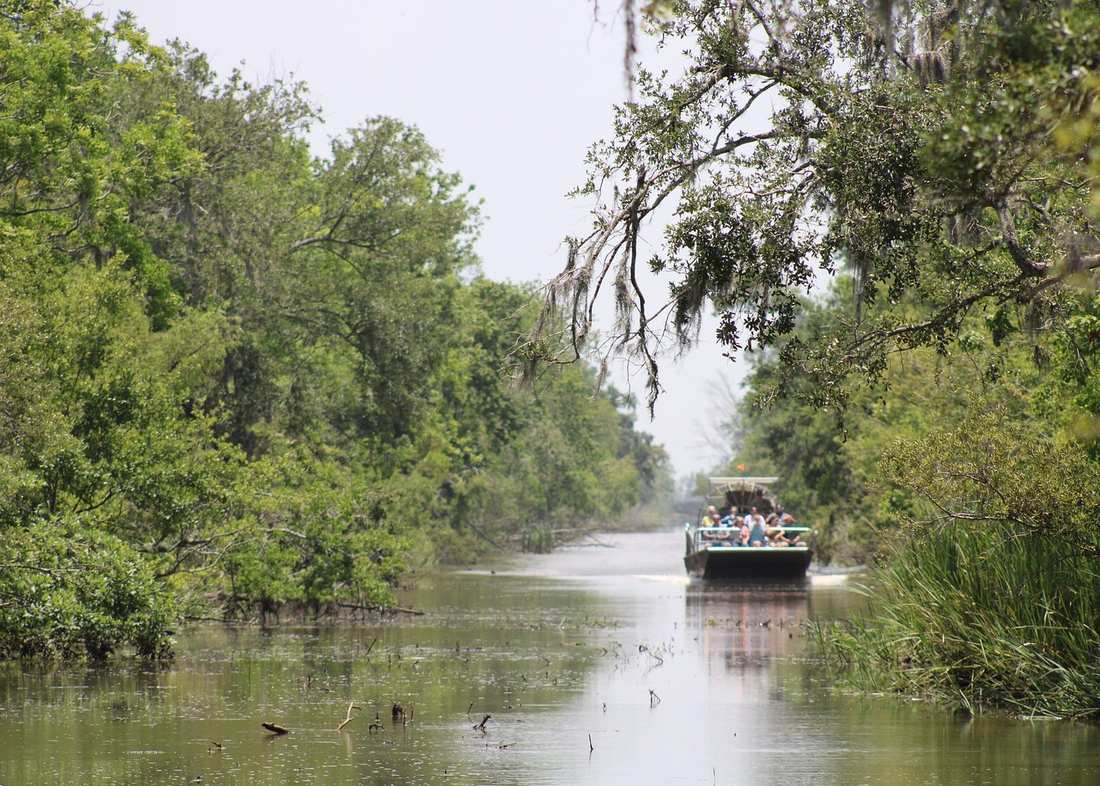
What it changes is which booking you make rather than whether you come. The plantation stays open in rain; the boat leg of a combination is what gets cancelled. Between June and November, take a trip that refunds in full at 24 hours and avoid the two that do not.
Winter, the bonfire season and the low light
January is the quietest month of the year here and the coldest, with highs in the low sixties. For anyone who wants the alley to themselves it is the best month there is, and coach tours run their full timetable throughout.
Early December carries the levee bonfire evening, ticketed separately from day admission and confirmed by the Foundation rather than by any operator. December also has the shortest daylight of the year, so an afternoon departure leaves very little usable time on the grounds.
The year in one table
What each month does, and what to book in it.
| Month | Average high | What it does to a visit | What to book |
|---|---|---|---|
| January | 63°F | Quietest month; closed on the 1st | Anything — nothing sells out |
| February | 66°F | Mardi Gras closure; city at its busiest | Book early despite the weather |
| March | 72°F | Comfortable all day | Three-hour trips are usable now |
| April | 79°F | The most reliable month of the year | Anything; book two weeks ahead |
| May | 85°F | Humidity arrives | Morning departures |
| June | 90°F | Hurricane season opens; daily storms | Refundable only |
| July | 91°F | Hottest; no shade on the lawn | Short half-days, earliest slot |
| August | 91°F | As hot; house is the only cool room | The house ticket, and early |
| September | 88°F | Peak hurricane month | Refundable only, and check the forecast |
| October | 81°F | Heat breaks; humidity falls | Anything, including full days |
| November | 71°F | Best light of the year down the alley | Late-afternoon departures |
| December | 65°F | Shortest daylight; closed the 25th | Morning departures only |
Highs are the 1991–2020 climate normals for New Orleans, the nearest long-record station. Hurricane season runs 1 June to 30 November.
Compare every Oak Alley Plantation tour
What time of day gives you the alley to yourself?
The first hour. The site opens at 8:30 a.m. and the coaches from New Orleans do not arrive until mid-morning, so anyone in the alley before ten has it more or less empty.
Trips that leave the city at eight get you close to that. Trips that leave at half past ten arrive into the middle of the day, which in summer is the difference between walking the grounds and cutting them short. Departure times are a column in the comparison for exactly this reason.
How far ahead do these tours sell out?
One operator publishes an average booking lead of 23 days, which is a useful anchor. Several listings carry “likely to sell out” flags, and the small-group trips — the nine and twelve-seat ones — go first because there are fewer seats.
Three weeks ahead is comfortable for most months. For spring and for the week around Mardi Gras, longer. Since almost everything refunds in full at 24 hours, booking early costs you nothing.
Is a weekday really quieter?
Modestly. The bigger variable is the departure time, not the day of the week, because the coaches all arrive within the same two-hour window whichever day it is.
Where a weekday helps is the house tour slot: fewer walk-up visitors means less waiting between arriving and being taken through. If you have a choice, a Tuesday morning in January is about as good as this site gets.
Where the light comes from, month by month
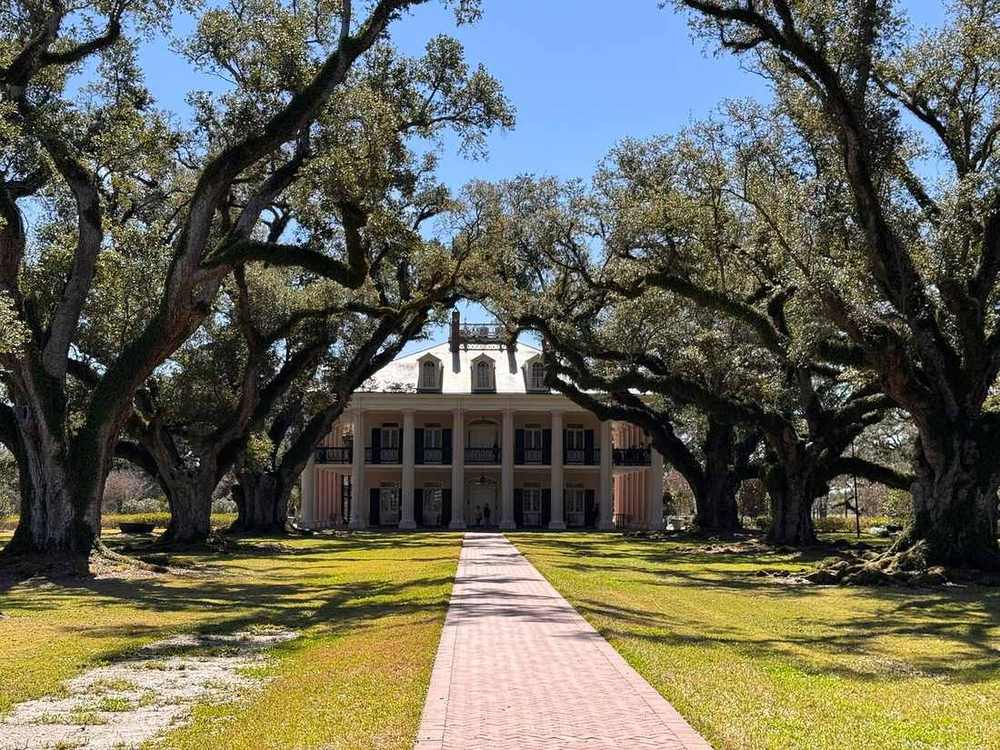
The alley runs roughly towards the river, which means the sun moves along its length rather than across it. In high summer the sun is overhead by mid-morning and the avenue reads as a flat green tunnel. In November and December it sits low enough to run straight down the corridor of trunks in the late afternoon.
That is the single biggest seasonal difference in what you take home. The photographs everyone recognises are winter-afternoon or summer-early-morning photographs; the middle of a July day produces the least interesting version of this place.
The one view you cannot choose the time for is the balcony shot looking back down the alley, because it happens during your allotted house tour slot. Both versions are in the gallery if you want to see the difference before you book a departure time.
Matching a month to a kind of trip
The month should change what you book, not just what you pack. In July and August, take the shortest trip with the earliest departure: a half-day gets you on and off the grounds before the heat wins, and a boat leg in the afternoon is where the storms are.
In September, book only what refunds in full at 24 hours. In January and February, take anything — nothing sells out, the site is at its emptiest, and the only constraint is the two closure days. In April and October, take the longest trip you can justify, because those are the two months when three hours outdoors is genuinely pleasant.
And in early December, check whether the levee bonfire evening falls in your week before booking a day trip, because it is a separate ticket and a separate evening. The visiting page covers what recurs and what is fixed.
The sugarcane year, and why the fields change
The land around the plantation is still farmed for cane, and it does have a season even though the oaks do not. Planting runs late summer into autumn, the crop stands tall through summer, and the grinding season — harvest — runs roughly October to January.
In autumn you drive out past cut fields and burning trash; in July the cane is over head height either side of the road. It is a small thing that makes the drive feel different in different months, and the Sugarcane Theatre on site explains what you have been looking at.
Frequently asked questions
What is the best month to visit Oak Alley?
April or October. Both break the humidity, both are comfortable for the full three hours the exhibits need, and neither carries the storm risk of late summer.
Is it too hot in July and August?
Not impossible, but plan differently. Take the earliest departure and carry water. Treat the air-conditioned house tour as the middle of the visit rather than the start of it.
Does Oak Alley close for bad weather?
No. The four closures are calendar dates. What gets cancelled is the boat leg of a combination trip.
When is it quietest?
January, followed by December. The alley before ten in the morning is quiet in any month.
How far ahead should I book?
About three weeks for most months, longer for spring and Mardi Gras week. Almost everything refunds in full at 24 hours.
Do the oaks change with the season?
No. They are evergreen. The light changes, and November down the length of the alley is the best of it.
Every departure from New Orleans sits in one comparison on Oak Alley Plantation Tours, with price, rating, hours on the grounds and refund window in the same row.
Tours that fit this trip
The oaks look the same in February and August. What changes is the heat on an unshaded lawn, the storm risk against your cancellation window, and how far ahead the good departures fill.